 Save
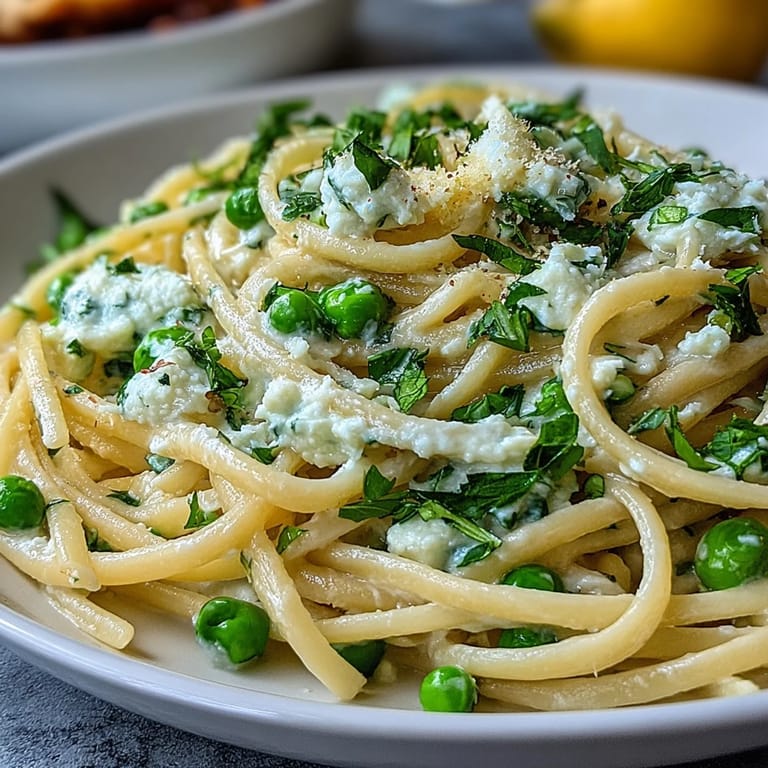
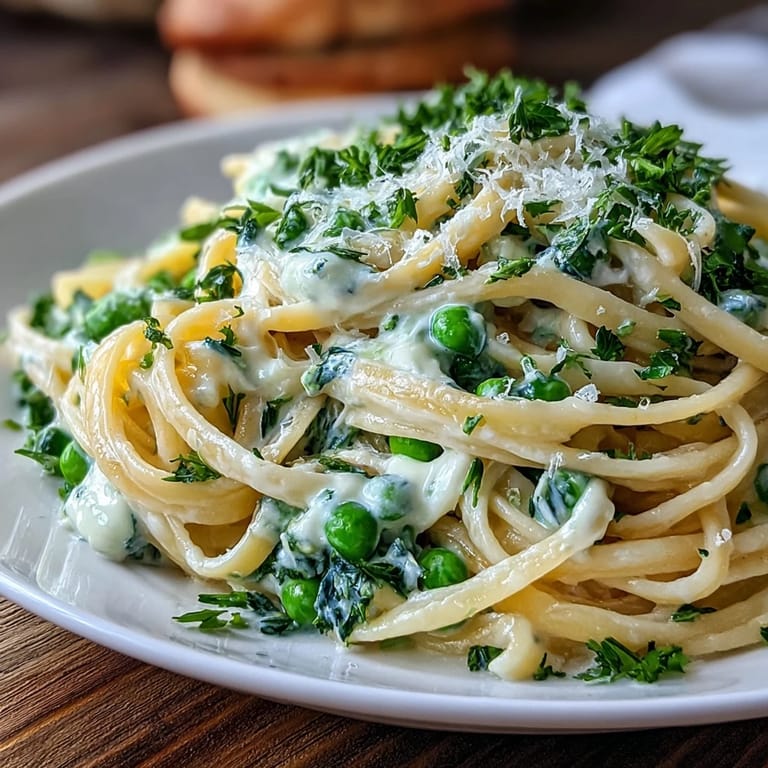
Save The hum of boiling water and the grassy scent of fresh parsley filled my kitchen on one of those early spring evenings, when sunlight lingers a little longer and you crave something lighter. I’d been rummaging through my pantry, hoping to conjure dinner from half a lemon and a tub of ricotta left from yesterday’s breakfast. The peas were a late addition—a flash of green I tossed in, remembering how their sweetness brightened up even the dreariest meals. You could almost hear the pasta water bubbling from the other room, calling for attention amidst all the chopping and zesting. It’s this kind of cheerful, unfussy cooking that makes me want to linger over each step.
Last time I cooked this for friends, the playful jingle of cutlery and laughter filled the air before we’d even served it. We debated whether extra peas pushed the dish into ‘too green’ territory, but everyone ended up loving those bright pops. The pasta disappeared faster than I thought possible, and someone asked for seconds—always the best compliment. Even the self-proclaimed ‘non-ricotta’ fans were surprised, each forkful turning skeptics into converts. It was one of those moments when food becomes the glue, binding everyone in comfort and delight.
Ingredients
- Linguine: Go for a classic semolina linguine if you want silky strands that hold sauce well; cook it just to al dente for a perfect bite.
- Fresh or frozen peas: Peas bring sweet snap and vibrant color; if using frozen, don’t thaw, just toss them straight in the skillet.
- Garlic: Mince it finely to avoid sharp bits—sautéing just until fragrant brings delicate flavor without bitterness.
- Lemon zest and juice: Use a zester for fine shreds and always zest before juicing; the zest adds brightness, while the juice rounds out the creaminess.
- Ricotta cheese: Opt for whole milk ricotta—it blends into the sauce smoothly and gives a luscious, light texture.
- Parmesan cheese: Grate your own if you can: it melts better into the sauce and adds salty depth.
- Extra-virgin olive oil: The oil helps carry aroma from garlic and adds richness to the peas.
- Fresh parsley: Chop just before serving to keep its color and lift the dish’s freshness.
- Salt and black pepper: Season gently at first—adjust after tasting once the sauce comes together.
Tired of Takeout? 🥡
Get 10 meals you can make faster than delivery arrives. Seriously.
One email. No spam. Unsubscribe anytime.
Instructions
- Boil Pasta:
- Fill a large pot with salted water and let it roar while you prep. Cook linguine until barely al dente—firm but not chewy—then reserve a splash of that starchy water before draining.
- Sauté Aromatics and Peas:
- Warm olive oil in a wide skillet; toss in garlic, listening for that gentle sizzle. Once the garlic is fragrant, tip in the peas and cook until they’re just tender and brilliantly green.
- Make Ricotta Lemon Sauce:
- In a mixing bowl, blend ricotta, grated Parmesan, lemon zest, juice, salt, and pepper until it’s smooth and flecked with yellow. The aroma here is pure spring!
- Combine Pasta and Sauce:
- Slide cooked linguine and sautéed peas (with their flavored oil) into the bowl. Mix gently, adding reserved pasta water in small pours until the sauce clings to every strand.
- Finish and Serve:
- Scatter chopped parsley and taste for balance—a squeeze more lemon or a sprinkle of salt, as needed. Serve straight away, garnished with extra Parmesan and lemon zest for extra sparkle.
 Save
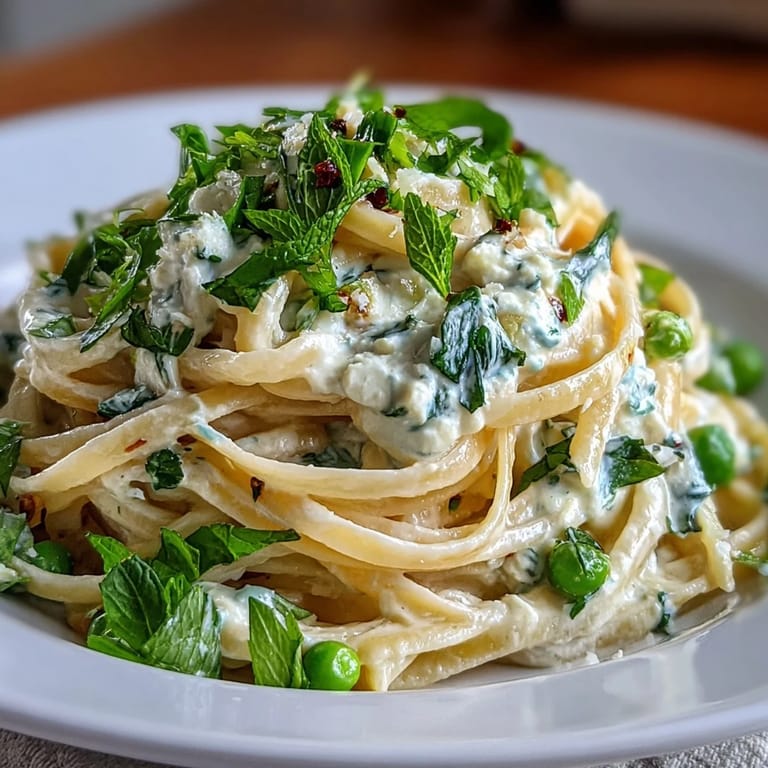
Save I remember sharing this at a spontaneous family lunch, where everyone arrived hungry and faded winter moods melted as we plated up. No one expected a simple ricotta pasta to feel so special, but the tang of lemon and sweet peas made it feel like the kitchen itself was blooming. Even my brother, who usually insists on heavy ragù, declared this a new favorite. Sometimes it’s the easy, joyful dishes that become the star without trying. It was after this lunch I realized how much a meal can change the whole feel of a day.
Bright Ways to Personalize Your Pasta
The first time I added arugula to the mix, it brought a peppery bite—keep a handful near and toss it in with the peas just before finishing. Swapping in mascarpone for ricotta turns the sauce richer and extra creamy if you’re feeling indulgent. Don’t skip fresh herbs—basil or mint can add nice twists, transforming the flavor with little effort. If you need gluten-free, try your favorite substitute, just watch the cook time. The recipe is forgiving, but those small swaps make it yours.
Pairing Suggestions and Seasonal Touches
I love this dish with a chilled glass of Sauvignon Blanc; the zing from the wine complements the lemon exceptionally well. Spring veggies like asparagus or sugar snaps can be added alongside peas, giving a green feast for both eyes and palate. On cool evenings, a slice of rustic bread helps soak up every bit of sauce. If you want a heartier vibe, serve with roasted tomatoes or a green salad layered with extra Parmesan. Seasonal flair makes even a simple pasta feel festive.
Troubleshooting and Last-Minute Fixes
Sometimes the sauce clumps if the ricotta is cold—let it sit out while prepping everything else for a smoother finish. If it needs loosening, add a bit more pasta water, but go slow or it gets soupy fast. Overcooked peas lose their fresh color and taste, so watch carefully as they cook. Salt in stages, tasting as you go. A squeeze of lemon right before serving wakes up the whole dish.
- If your pasta sticks, toss it with a spoonful of olive oil before mixing with sauce.
- Wilted herbs can be perked up with a quick ice bath.
- Don’t forget the squeeze of lemon right at the end—it lifts everything.
 Save
Save This pasta always feels like a breath of spring on the plate and at the table. I hope you find it brings brightness to both your kitchen and your day, just as it does for me.
Recipe FAQs
- → How do I keep the sauce creamy?
Add reserved pasta water gradually when tossing the pasta with ricotta and peas until the sauce coats each strand.
- → Can I use frozen peas?
Yes, frozen peas work well. Cook them slightly longer until bright green and just tender before adding to the pasta.
- → What can substitute ricotta?
Mascarpone provides extra richness, or try cottage cheese for a lighter option. Adjust seasoning as needed for flavor balance.
- → Can I make this pasta ahead?
It's best served immediately, but you can prep ingredients in advance. Reheat gently, adding water if needed to loosen the sauce.
- → Is this dish suitable for vegetarians?
Yes, this pasta uses only vegetarian ingredients. Check cheese labels to ensure vegetarian-friendly rennet.
- → Which wine pairs well?
Try a chilled Sauvignon Blanc or Pinot Grigio — both enhance the freshness and citrus notes of the pasta.