 Save
Save My neighbor knocked on my kitchen door one Easter morning with flour still dusted on her apron, asking if I'd ever made hot cross buns. Turns out her grandmother's batch had burned the night before, and she was desperate to salvage the holiday breakfast. We ended up making these together, and watching her face light up when that citrus glaze hit the warm buns—still steaming from the oven—taught me something about why these pastries matter beyond just tasting good. There's something about that combination of warm spices and bright citrus that feels like spring itself, baked into golden dough.
I'll never forget my cousin's text: "You're making those buns again, right?" She'd had them once at my place and suddenly they were non-negotiable for every family gathering. Now when I shape that dough into twelve little balls and watch them puff up during the second rise, I think about how food becomes part of people's expectations of you—in the best way. It's the kind of recipe that quietly becomes a tradition.
Ingredients
- Bread flour (4 cups): This is the backbone—it gives you the structure and chewiness that separates these from ordinary sweet buns, so don't swap it for all-purpose unless you're okay with a softer crumb.
- Instant yeast (2 1/4 tsp): Make sure it's fresh and stored properly, because stale yeast will leave you with dense, barely-risen buns and genuine disappointment.
- Warm milk and water (1 cup combined): The temperature matters more than you'd think—too hot and you'll kill the yeast, too cold and nothing rises, so aim for that pleasant warmth you'd test with your wrist.
- Mixed dried fruit (3/4 cup): Currants, raisins, and candied orange peel create little pockets of sweetness and chewiness throughout, but if one type is all you have, that works too.
- Orange and lemon zest: Don't skip this step—the oils from fresh zest are what make these smell like something special, and it's the difference between nice buns and ones people actually remember.
- Spice blend (cinnamon, allspice, nutmeg): These three together create that warming, almost cozy flavor that signals "yes, spring is here and everything is better now."
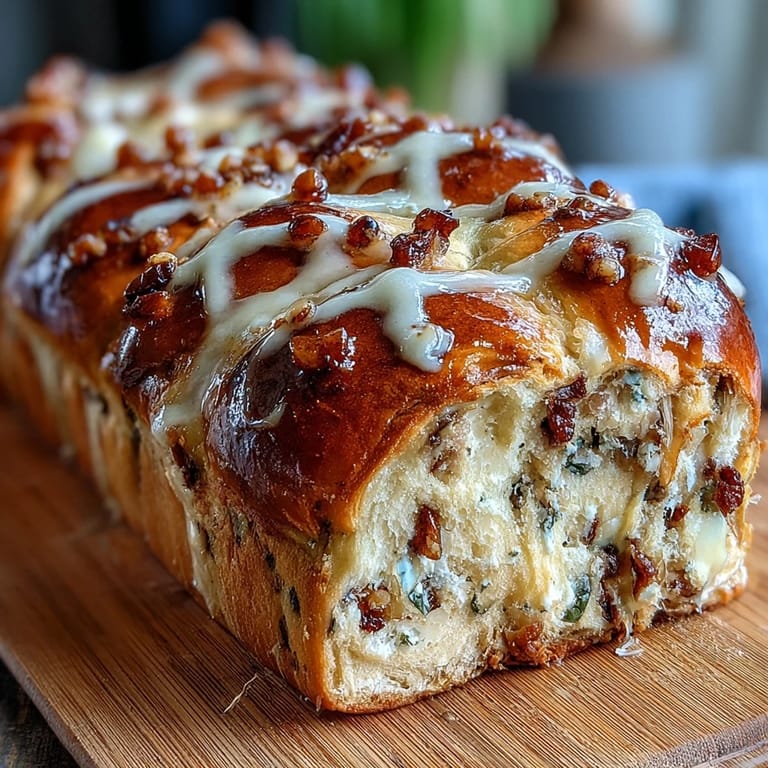
- Citrus glaze (orange and lemon juice with powdered sugar): This final layer is what brings everything together with a subtle shine and brightness that makes your mouth water.
Tired of Takeout? 🥡
Get 10 meals you can make faster than delivery arrives. Seriously.
One email. No spam. Unsubscribe anytime.
Instructions
- Mix your dry foundation:
- Combine the flour, sugar, yeast, and all three spices in a large bowl—this is where the flavor profile gets established, so don't rush it. The yeast needs to be evenly distributed, so give it a good mix before the wet ingredients arrive.
- Build the wet mixture:
- Whisk together the lukewarm milk, water, melted butter, and eggs in a separate bowl until everything is incorporated. This is your liquid gold, so don't let it cool down while you're working.
- Bring it together:
- Pour the wet ingredients into the dry and mix until a shaggy dough forms—it'll look messy at first, which is exactly what you want. Don't panic about the texture yet.
- Add the jewels:
- Fold in the dried fruit, orange zest, and lemon zest, distributing them as evenly as you can. This is where the dough transforms from plain to special.
- Knead until silky:
- Work the dough by hand or with a stand mixer for 8 to 10 minutes, watching for that moment when it shifts from sticky and rough to smooth and elastic. You'll feel it—it's like the dough finally relaxes and becomes cooperative.
- First rise:
- Place the dough in a greased bowl, cover it with a tea towel or plastic wrap, and let it sit in a warm spot (like near a sunny window or on top of the fridge) until it's doubled in size, roughly 1 hour. The kitchen will start smelling incredible around minute 45.
- Shape with purpose:
- Turn the dough out onto a lightly floured surface and divide it into 12 equal pieces—a kitchen scale helps here, but eyeballing works too if you've got decent instincts. Roll each piece into a tight ball and place them on a parchment-lined baking tray with a bit of space between so they can puff up without fusing together.
- Second rise:
- Cover loosely and let these sit for about 30 minutes while you preheat your oven to 375°F (190°C). They should look noticeably puffy but not explosive.
- Prepare the cross paste:
- Mix the flour and water until you get a thick, pipeable consistency—thinner than playdough but thicker than icing. This simple paste is what creates that iconic cross that makes these buns unmistakably hot cross buns.
- Pipe the crosses:
- Transfer the paste to a piping bag (or fill a zip-top bag and snip a tiny corner) and pipe a cross over each bun with confidence. It doesn't need to be perfect—homemade looks better anyway.
- Bake until golden:
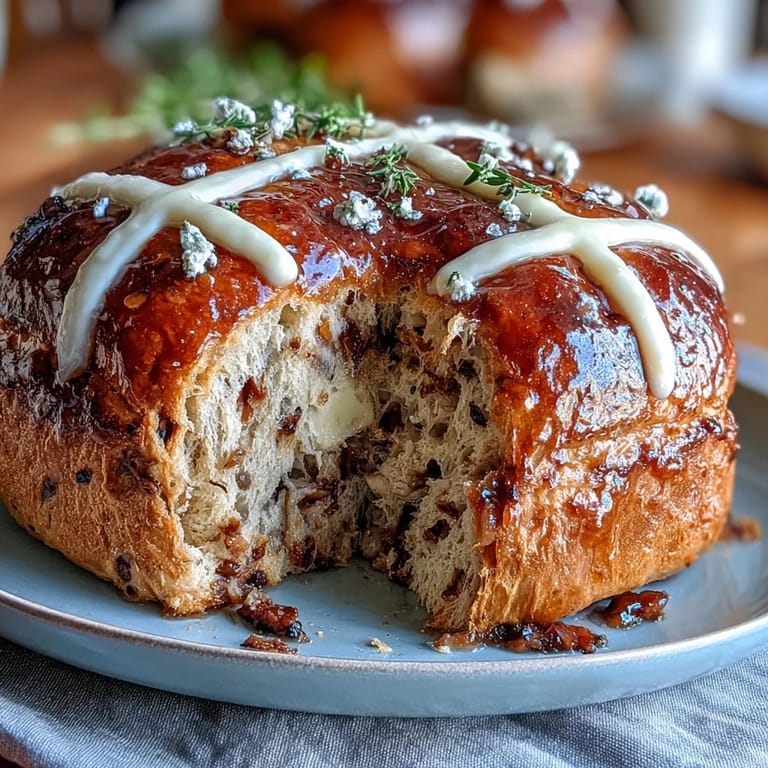
- Slide them into the oven and bake for 20 to 25 minutes, watching until they're a deep golden brown and sound hollow when you tap the bottom. Your kitchen is about to smell unforgettable.
- Make the glaze:
- While the buns bake, whisk together the powdered sugar, fresh orange juice, and lemon juice until smooth and pourable. Taste it—adjust the citrus if needed because this glaze is your final flavor statement.
- Finish with brightness:
- Brush the glaze generously over the warm buns the moment they come out of the oven, while they're still steaming and porous enough to absorb all that citrus magic. The contrast between the warm bun and cool glaze is part of the whole experience.
- Cool with patience:
- Transfer them to a wire rack and try not to eat one for at least 10 minutes, though I won't judge if you can't wait that long.
 Save
Save There was this one afternoon when my daughter watched me make these and asked why I was "putting crosses on bread like it's a hospital." I explained the Easter tradition, and she nodded seriously and said, "So they're blessed buns." Maybe they're not literally blessed, but when food comes with that kind of intentionality and history, it feels pretty close.
The Science of Spice and Sweetness
What makes these buns feel festive is the spice blend—cinnamon warms you from the inside, allspice adds a subtle pepper note, and nutmeg ties everything together with a slightly earthy undertone. Together, they're balanced enough that no single spice overpowers, but distinct enough that you notice each one if you're paying attention. The dried fruit acts as little flavor sponges, soaking up those spice notes and releasing them as you chew.
Why the Citrus Glaze Changes Everything
A hot cross bun without the citrus glaze is still good—it's warm, spiced, studded with fruit—but it's missing that final spark of brightness that makes people close their eyes a little when they take a bite. The orange juice adds sweetness and subtle fruitiness, while the lemon juice cuts through and wakes up your palate, preventing the whole thing from feeling heavy or one-note. This glaze is thin enough to soak into warm bread, creating an almost translucent finish that looks elegant without trying too hard.
Small Adjustments That Matter
Once you've made these once, you'll start thinking about variations—and that's the fun part. Some people love a pinch of cardamom for extra depth, while others swap in dried cranberries or apricots for a tartness that plays differently with the spices. Serving them slightly warm with a cup of tea or coffee is when they truly shine, though I've been known to eat them cold for days afterward straight from the cooling rack.
- If you're making these for a crowd, you can prepare and shape the dough the night before, cover the tray, refrigerate overnight, and bake them fresh the next morning for maximum showoff potential.
- The cross paste can be made thinner or thicker depending on your preference—thinner for delicate lines, thicker for more prominent crosses that you'll actually see after baking.
- Don't overbake these; they'll continue cooking slightly as they cool, and pulling them out when they're just golden means they'll stay tender rather than becoming dry and crumbly.
 Save
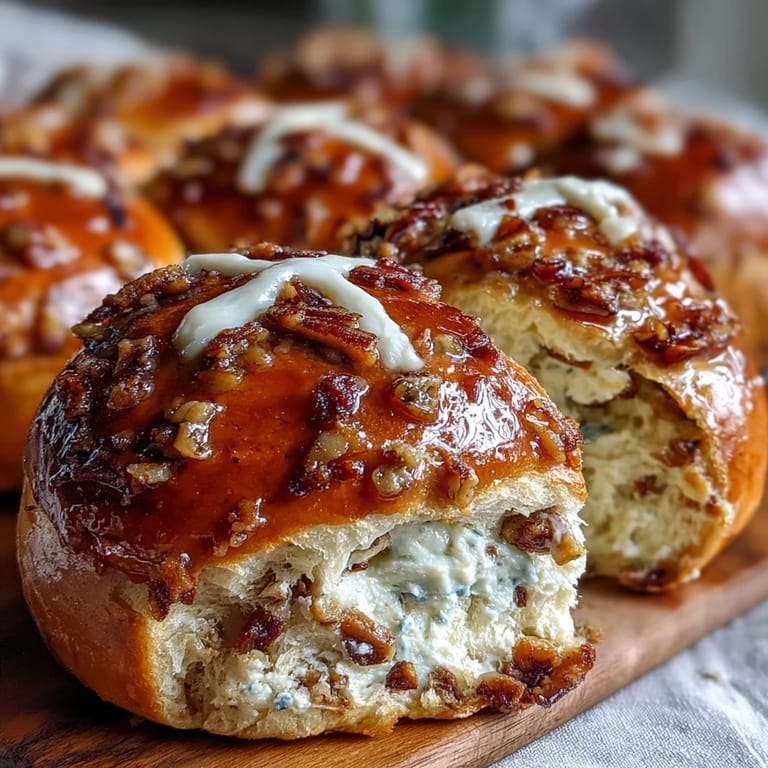
Save These buns are the kind of recipe that becomes a conversation starter because they signal that you care enough about breakfast to make something from scratch. Once you've done it once, you'll find yourself planning ahead for the next batch.
Recipe FAQs
- → What spices are used in the bun dough?
The dough is flavored with cinnamon, allspice, and nutmeg, creating a warm and aromatic base.
- → Can I substitute the dried fruit?
Yes, dried cranberries or apricots can be used instead of currants and raisins for a different fruity note.
- → How should the buns be stored after baking?
Store the buns in an airtight container at room temperature for up to two days or freeze for longer keeping.
- → What is the purpose of the citrus glaze?
The glaze adds a bright, tangy finish that complements the warm spices and sweet dried fruit.
- → Is there a way to add an extra layer of flavor?
A pinch of cardamom can be added to the dough spices for a subtle, fragrant twist.